

A Letter to Anyone Who Got Here Through IVF
Here's something that doesn't get talked about enough. When you're going through IVF, you are held closely and consistently by a medical team. Appointments, monitoring, blood tests, scans. There is always someone checking, always someone who knows what's happening, always a next step to focus on.
And then you get that positive test, and everything changes.
Suddenly you're "normal." Congratulations, you're pregnant, off you go into the standard NHS maternity pathway. And while that pathway is staffed by wonderful, dedicated people, it is also stretched, and it does not offer much in the way of continuity or frequency, especially in those early weeks when anxiety tends to run highest.

The Fourth Trimester: Why the First 12 Weeks After Birth Deserve So Much More
What Is the Fourth Trimester?
In many cultures around the world, the weeks following birth are understood as a continuation of pregnancy…simply moved outside the womb. The baby has not suddenly become an independent little person. They are still, in every meaningful sense, in the earliest and most vulnerable stage of their development. They need warmth, closeness, constant feeding, constant reassurance. They are doing the most extraordinary work of becoming.
And so is the mother.
Because here's something we don't say nearly enough: the birth of a baby is also the birth of a mother. Whether it is her first baby or her fourth, something seismic has happened. She has crossed a threshold she cannot uncross. Her body is healing from one of the most physically demanding things it will ever do. Her hormones are doing something enormous and complicated. Her identity is shifting in ways that might take months or years to fully understand.

No Is a Full Sentence (But It's Okay If That Feels Hard)
Some Phrases Worth Keeping in Your Back Pocket
For a lot of people, a flat "no" is genuinely very hard. That's okay. You don't have to say no if the word itself feels impossible. There are other ways to hold your ground while you work out what you actually want.
Try these:
"I'd like a moment to think about that."
"Can you tell me the benefits and the risks of doing this and the risks of not doing it?"
You Are Not Doing It Wrong Because You're Being Noisy
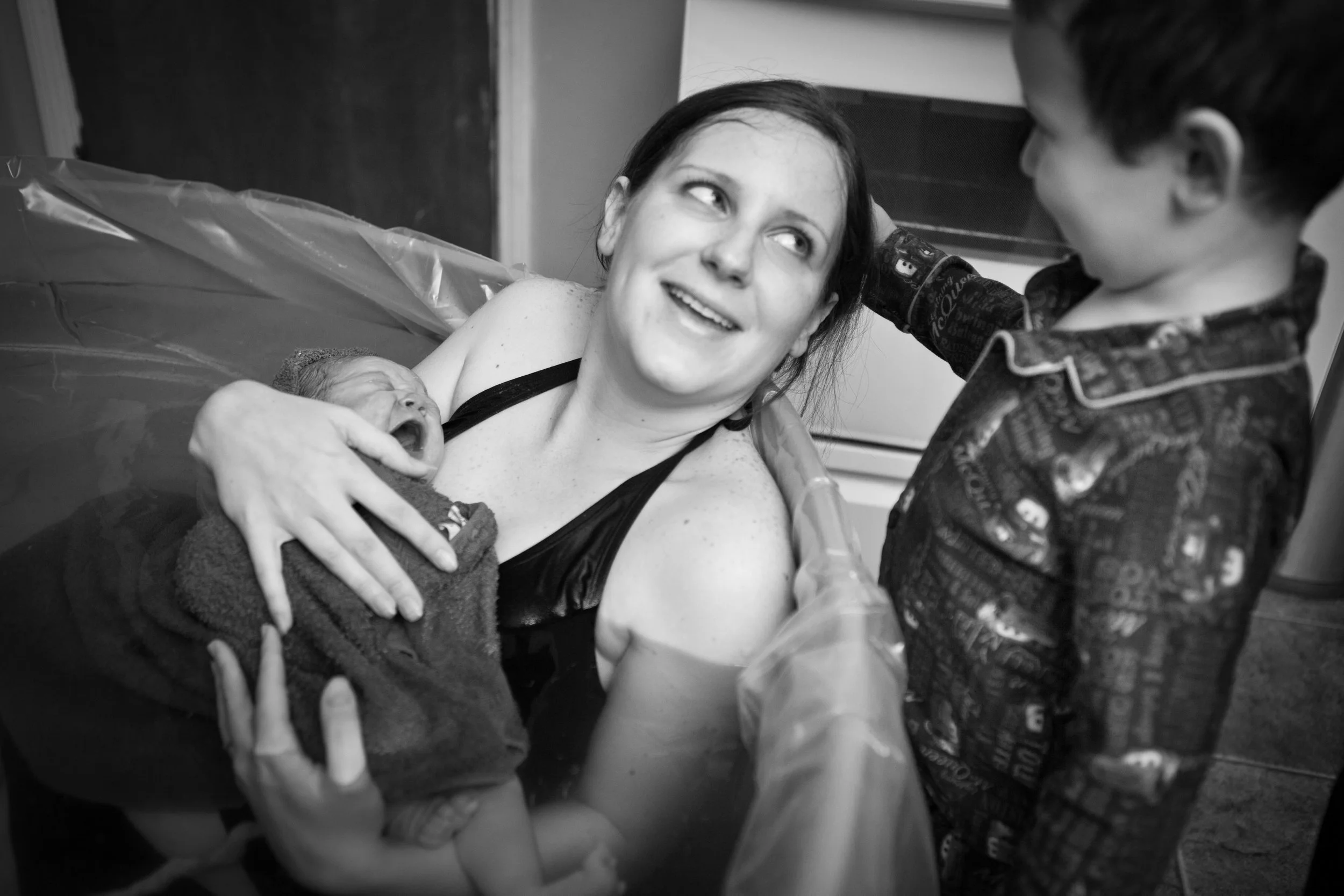
I've been at births where a woman has been told by a midwife to keep quiet, to close her mouth, to hold the power in and send it downward rather than let it out. I understand the thinking behind it, there's a concept there about directed energy, about not dispersing what the body is building. I get it.
But here's what I know from standing in those rooms: some people cannot do that. Some people need to let it out. And when you tell them to suppress the very thing their body is reaching for, you don't help them go inward. You make them feel wrong. You add shame to an already enormous experience.
Why I Love Working With Clients Who Have Birth Trauma
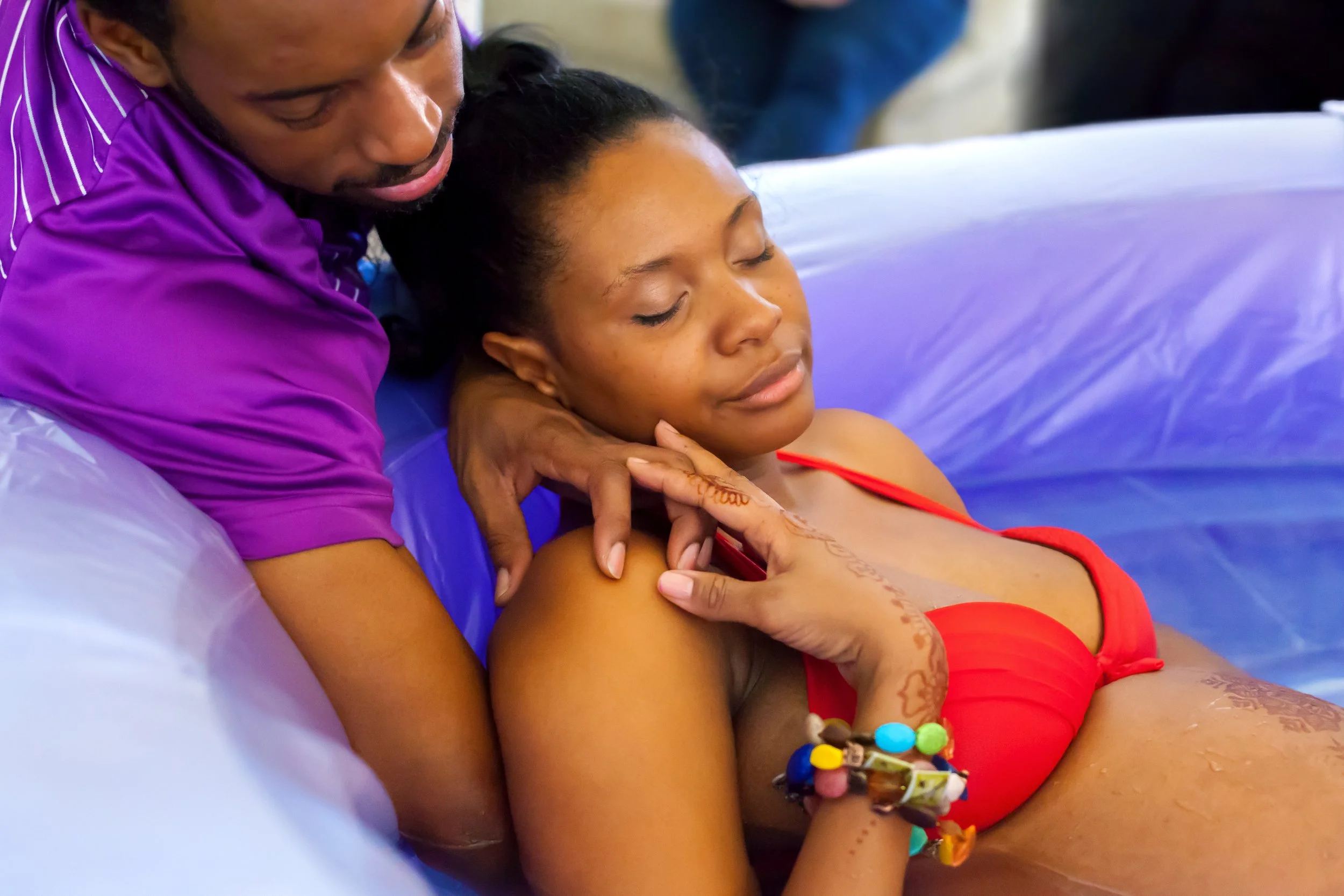
Choosing to have another baby after a traumatic birth is brave. Really, truly brave. It asks so much of people, to trust again, to open themselves up to an experience that hurt them before, to believe that it can be different. Many of my clients have spent months or years wondering whether they could ever do it. Whether they would ever feel safe enough to try.
Tea and Toast Is Not Enough: What Your Body Actually Needs After Birth
You Deserve More Than Toast
The tea and toast will always be a fond memory. I'm not here to take that away from anyone.
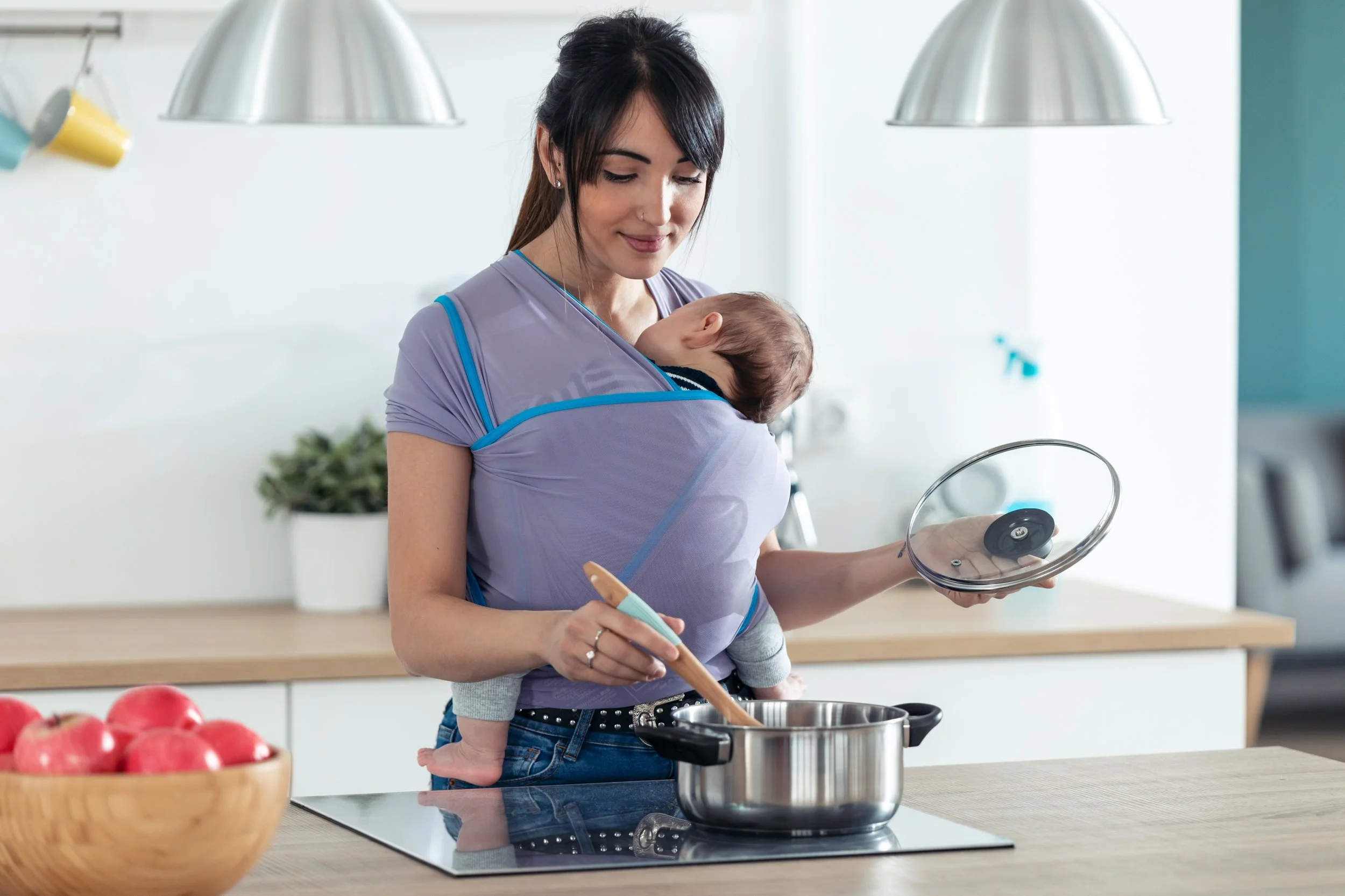
But let's also tell the truth: your body worked incredibly hard to bring your baby into the world. It carried, grew, nourished, and birthed a whole new person. It deserves more than a slice of white bread and a cup of lukewarm tea in return.

My Top Tips for Labour and Birth (From Someone Who's Been in That Room)
There is so much information out there when you're pregnant. So much noise, so many opinions, so many people telling you what to do and how to feel and what to expect. It can be completely overwhelming.
So I want to cut through some of that and give you the three things I genuinely believe make the biggest difference when it comes to labour and birth. Not fluff. Not filler. The real stuff.

How to Choose the Right Doula for You (Even If It's Not Me)
Yes, you read that right. Even if it's not me.
Because here's the thing about doulas, the right one for you is the right one for you. And I'd rather you find your perfect match than end up with someone who isn't quite it, whoever that someone is.
So let's talk about how to actually go about finding them.

Is He a Good Baby? (And Other Things That Drive Me Round the Twist)
"Is he a good baby?"
If I had a pound for every time a new parent has been asked that question, I could retire tomorrow.
And I know, I genuinely know, that it comes from a lovely place. People are trying to connect, trying to show interest, trying to say something warm to someone who's clearly exhausted and running on love and very little else. The intention is kind.
But the question itself? It's nonsense. And here's why.
Stop Telling People to Relax During Labour
Let me ask you something. In the entire history of someone telling you to relax, has it ever actually worked?
I'll wait.
No? Me neither.
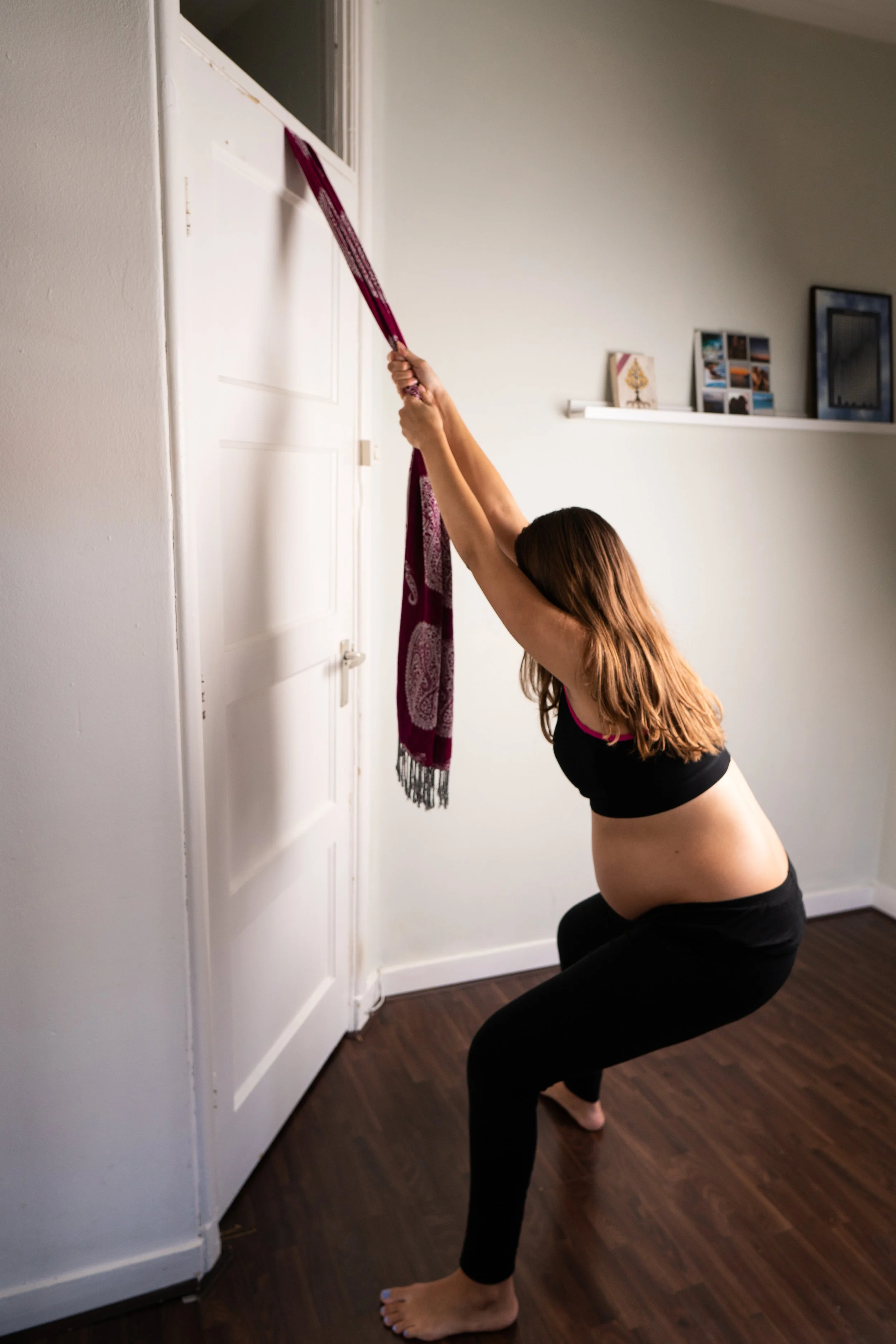
And yet, when someone is in the thick of labour, riding wave after powerful wave, navigating one of the most intense physical and emotional experiences of their life, "just relax" is often one of the first things people reach for. It's said with love, absolutely. With the very best of intentions. But more often than not, it lands with a quiet thud and does precisely nothing.
Here's why.

What Is Hypnobirthing?
I could tell you what hypnobirthing is.
I could tell you it's a complete antenatal programme. A toolkit of skills to help you feel calmer, more confident, and more in control, through pregnancy, labour, birth, and even into the postpartum period. I could tell you it covers breathing techniques, relaxation, visualisation, and practical information about how birth works and what choices you actually have. That it actively involves birth partners so they're not standing at the side feeling helpless, but genuinely useful and part of the whole thing.
I could give you the statistics. And they are good statistics.
When fear and anxiety reduce, the nervous system supports the hormones of labour more effectively. Oxytocin flows more freely. The body does what it's designed to do with less resistance. Research shows that hypnobirthing is associated with shorter labours, reduced need for intervention, lower stress hormones, lower blood pressure, less fatigue, and better coping with the intensity of contractions.
All of that is true. All of that matters.
But actually, I'd rather just show you.